|
Experience the splendour of South African fashion designer and stylist, Simon Rademan ™ Enter site
| ||
|
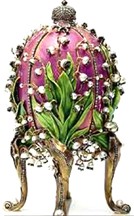
Is a Faberge egg an Easter egg? or is it simply the ultimate stylish gift, fit for Kings and Queens? He was a master goldsmith whose intricate work and eye for detail won him the eye of his royal clientele in the first place... ... but he feared for his life! He was... Peter Carl Faberge read now
|
Homepage extras This page has been designed to promote and inspire... It carries the "Simon Rademan" stamp of approval, and will continue to highlight abso-fashion-lutely happenings Quickvote:
|
|
|
The History of the Faberge egg "Peter Carl Faberge was commissioned to create the first egg for the twentieth wedding anniversary of Alexander III and his wife Maria Feodorovna in 1885. Every subsequent Easter, another egg was made for Maria as a gift from her husband the tsar of Russia. After the passing of Alexander III, his son took up the tradition presenting his wife and his mother with their own custom Faberge egg every Easter. In all, 50 eggs were commissioned - to this day eight are still missing. Faberge was a master goldsmith whose intricate work and eye for detail won him the eye of his royal clientele in the first place. And today, he is still known for his famous egg creations.
But 42 of the eggs survive today and when they come up at auction they fetch many eyes and high bids." – quoted from the hubpages The meaning of the word Easter The word 'Easter' probably comes from the Anglo-Saxon goddess 'Eostre'. She was the goddess of the dawn, and her spring festival was celebrated each April. This pagan festival celebrated the return of Spring and new life. At the same time of the year, Christians were celebrating the 'resurrection' of Christ. Jesus overcame death and gave us the chance of eternal life. The new life in the natural world at Easter time or Spring time reminds us of God's new life for us. As Christianity spread, it took over many of the ancient festivals - and so many of the Easter customs have their origins in earlier festivals. Hard-boiled eggs, with painted shells used to be given as presents on Easter day as symbols of new life. Easter day is a happy celebration that Jesus is alive. Today, we usually buy and give chocolate Easter eggs rather than hard-boiled painted eggs - probably because most of us love chocolate. We give chocolates at festivals, parties or when visiting friends - at various types of celebration. Therefore it seems very appropriate to have chocolate Easter eggs to celebrate! |
| |
|
__________________________________________________________________ Back to top / Appointment procedures / Order information / Contact us / Enter Site / Consultations / Costs / Wedding gowns / Free articles / Celebrities / Background / Magazines / SA's best and worst / Save money / Matric farewell / Our official Fashion page / Play intro _________________________________________________________________________ Homepage-extra www.simonrademan.co.za | ||